Serialized data corruption repair
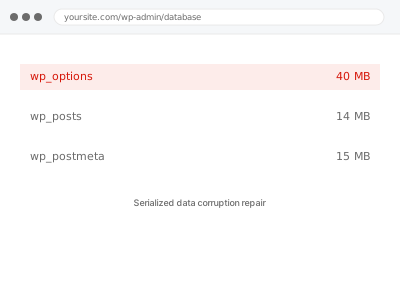
A setting or plugin configuration silently reverted after a migration or domain change, with no error anywhere. We repair the underlying corrupted data directly.
Slow sites split into two causes that get treated as one problem and rarely are.
Showing 33–44 of 44 fixes
A setting or plugin configuration silently reverted after a migration or domain change, with no error anywhere. We repair the underlying corrupted data directly.
Your host offers Varnish or LiteSpeed server-level caching, but it isn't set up, or isn't coordinated safely with your existing caching plugin. We configure both to…
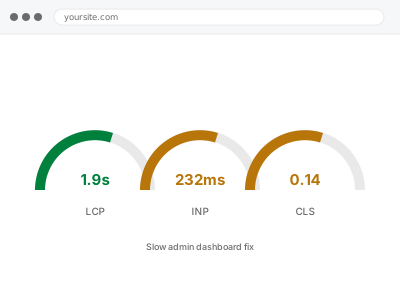
wp-admin itself is slow to use, even though your front end is fine. We isolate whether it's a plugin, the database, or a hosting limit, and…
You want to know exactly what's making your site slow, ranked by how much it's actually costing, before spending on a fix. We measure it and…
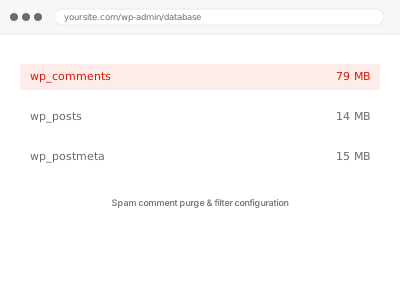
Spam comments keep piling up faster than filtering catches them. We clear the backlog and tune the filter so less reaches you going forward.
Your database still uses the default wp_ table prefix that automated attacks assume by default. We change it properly across every table and configuration reference.
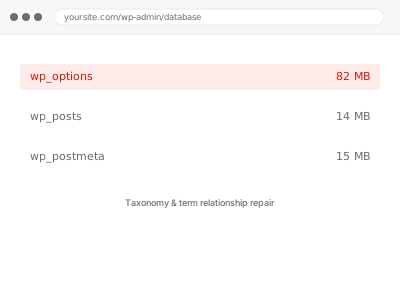
A category or tag's post count doesn't match its actual archive, or posts are missing from terms they should belong to. We repair the underlying relationship…
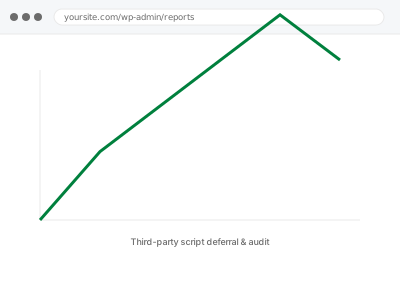
Third-party scripts — analytics, chat, ads, embeds — are adding cost you can't see individually. We audit what's actually there and defer what's safe to.
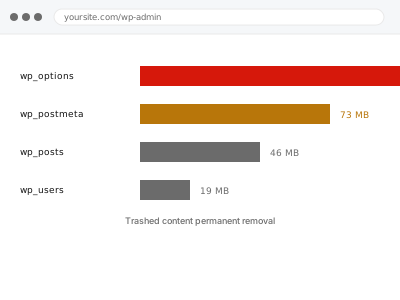
Trash counts across your posts, pages, products or media have been climbing for months. We review, clear it safely, and fix why automatic emptying wasn't happening.
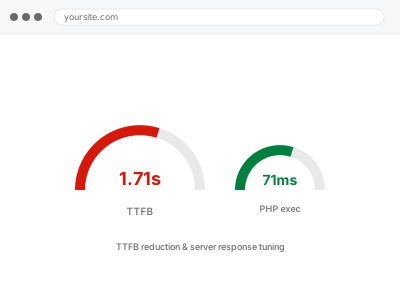
Your server takes too long to respond before the page even starts loading. We measure TTFB directly and tune the server and PHP configuration behind it.
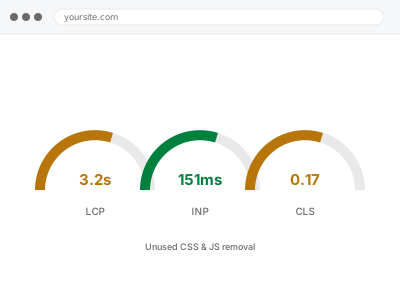
PageSpeed flags unused CSS or JavaScript loading on your pages. We find which plugin assets are responsible and scope them to only where they're needed.
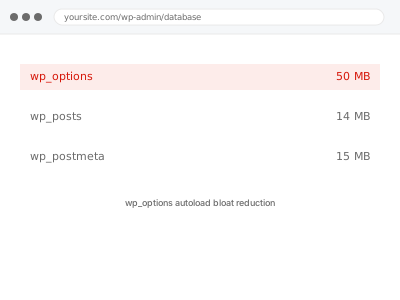
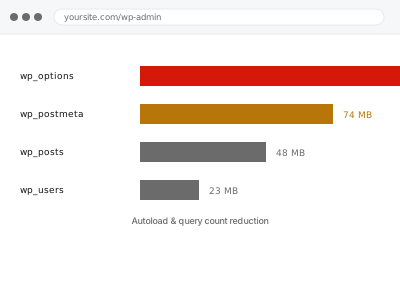
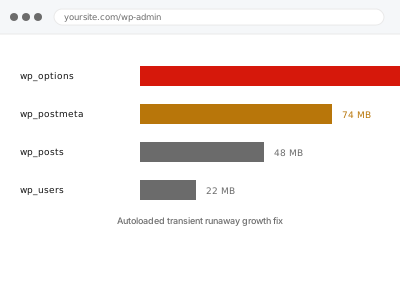
WordPress loads your entire wp_options autoload set on every single page. We find what's bloating it, correct what shouldn't load eagerly, and measure the reduction.
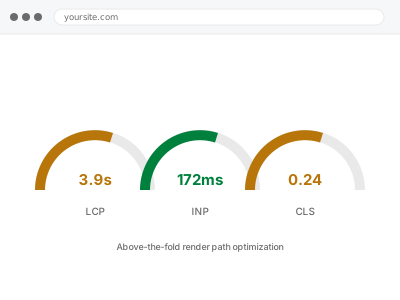
Slow sites split into two causes that get treated as one problem and rarely are. The first is what loads in the browser: unoptimised images, render-blocking CSS and JavaScript, no caching or CDN, fonts and third-party scripts that delay the page long after the visible content is ready. The second is what’s happening in the database underneath — years of post revisions, expired transients, orphaned postmeta and log tables nobody cleaned up, adding weight to every query WordPress runs whether or not a visitor ever sees the result.
Fixing either one without checking the other usually disappoints: a caching plugin can’t compensate for a database carrying ten times the rows it needs, and a lean database won’t fix a homepage loading four unoptimised hero images. What these fixes have in common is that they start by measuring rather than guessing — an actual query count, a real Core Web Vitals report, a proper audit of what’s slow and why — and then work through causes in the order they’re actually costing time. The number that matters is what a real visitor experiences, not a synthetic score.