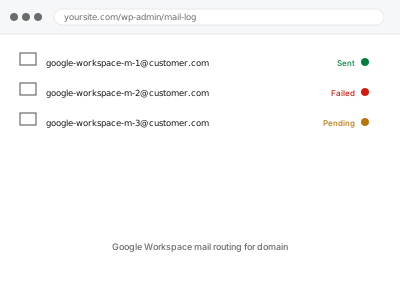
Google Workspace mail routing for domain
MX, SPF, and DKIM configured correctly so Google Workspace actually routes your domain's mail.
This bucket covers the wiring between WordPress and something outside it — a form plugin sending leads to a CRM, a custom field structure built with ACF, a scheduled script backing up to cloud storage, a Zapier scenario moving data between systems that were never designed to talk to each other.
Showing 33–48 of 58 fixes
MX, SPF, and DKIM configured correctly so Google Workspace actually routes your domain's mail.
HubSpot forms and tracking correctly wired to your site through delegated access.
Ongoing sync between two systems, documented plainly for what happens if either one changes.
Klaviyo or Brevo flows built and connected — limited by your plan, not by us.
A live chat or helpdesk widget correctly integrated, through your own account with the platform.
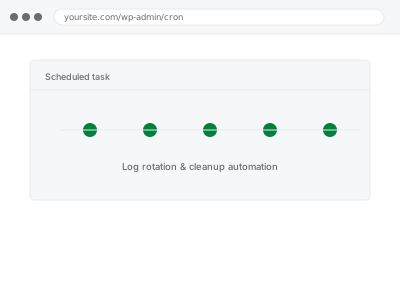
Log rotation automated within a set retention period, with an initial cleanup of what's piled up.
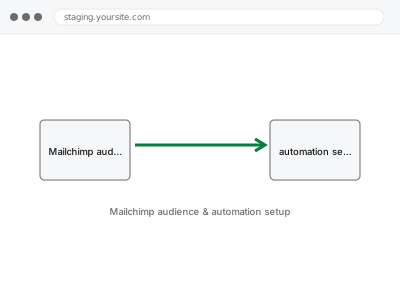
Mailchimp audiences and automation flows set up within what your actual plan supports.
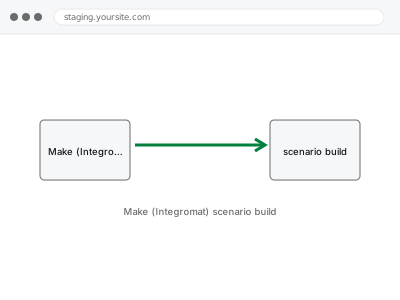
A Make scenario built exactly to your spec, using Make's own visual automation builder.
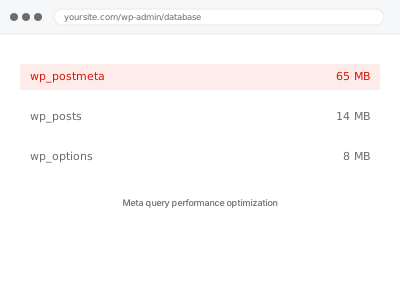
Slow custom-field queries optimised — same results, just returned faster.
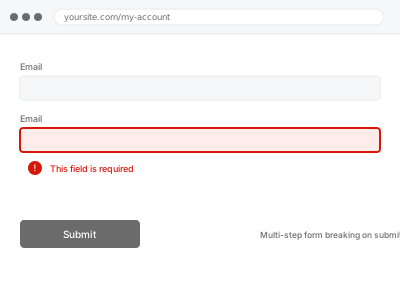
A multi-step form that completes every page but fails right at the final submit.
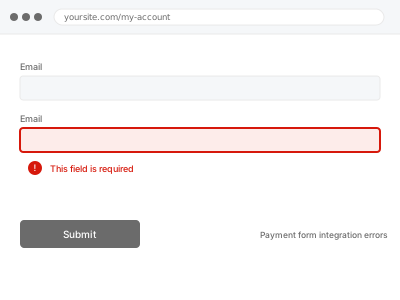
A payment form failing or miscounting — fixed on your side, flagged plainly if it's the gateway's.
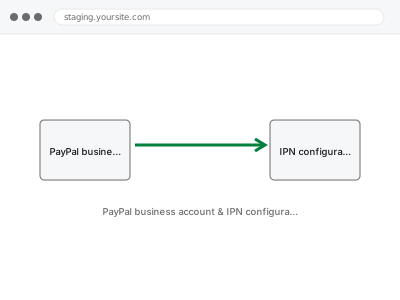
PayPal and IPN configured through granted access — never your account password.
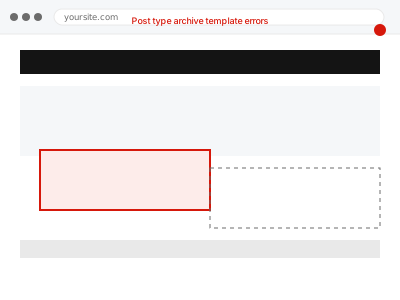
A custom post type's archive using the wrong template, traced to the actual template hierarchy.
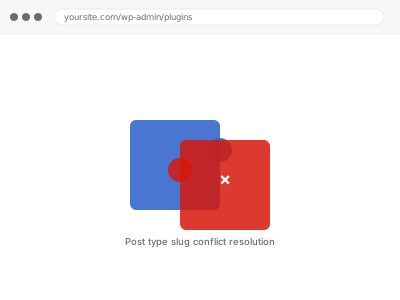
A post type slug conflicting with an existing page or another type, resolved with redirects.
reCAPTCHA or Turnstile failing to load or blocking real visitors — the key or domain mismatch found.
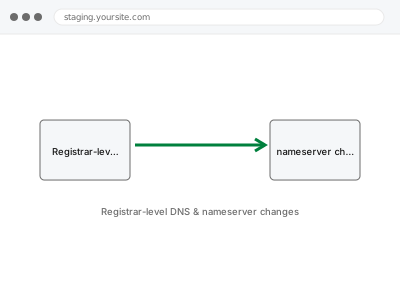
Specific DNS or nameserver changes made carefully, with the prior setup documented first.
This bucket covers the wiring between WordPress and something outside it — a form plugin sending leads to a CRM, a custom field structure built with ACF, a scheduled script backing up to cloud storage, a Zapier scenario moving data between systems that were never designed to talk to each other. That wiring is fragile in a specific way: each side can change independently. A CRM changes its API. A webhook URL gets regenerated. A field group gets renamed in a redesign and every automation depending on its old name silently stops working, often with no error at all.
What connects these fixes is that the wiring almost always fails at one specific point — one field, one endpoint, one credential, one webhook — while the rest of the connection is working exactly as intended. Rebuilding the whole integration is rarely necessary or even sensible; the actual fix is finding which side stopped sending or receiving what the other side expected, and reconnecting just that. Verification means watching real data move through the connection end to end, not confirming the automation is switched on, which tells you nothing about whether it’s actually working.